
The Nature of Pain – Part 2
 In a recent blog post, we looked at the nature of pain and how often it is not an indication of damage in your tissues but an indication of the threat level in your nervous system (you can read that post here). As discussed, treatments that reduce the threat level in the nervous system are most appropriate to relieve pain in the long term, and that a lack of core stability and poor movement patterns are often the factors driving the increased level of threat.
Here we want to explain how poor breathing and movement patterns may lead to pain in the short term, and in the longer term may result in increased wear and tear on our joints and thus to structural damage. You can compare it to a car that is not serviced regularly. It is likely that the parts will wear out sooner as things move further out of alignment.
Babies and toddlers, assuming there is normal development, learn to breathe, create core stability and move by instinct using patterns that are laid down innately in our nervous systems. A baby does not need lessons in how to roll, crawl and walk. With the right stimulation, it happens naturally, leading to good abdominal breathing and free and stable joints. As a side note, you don’t want to encourage babies to walk or be upright before they are ready, as that can be the start of dysfunctional movement. Most top athletes actually started to walk later than average. However from the age of 3 or 4, posture and movement become much more dependent on the environment and models that the child sees, so they will start to copy the way their peers and parents move and hold themselves. There is also a reduction in natural movement from sitting in chairs at home and in schools and often, rather than free play, more repetitive and unnatural movements from participation in organised sport. This means that by the time we reach adulthood we are not using our bodies in an optimal way, but have created compensation patterns ‘to get the job done’. Depending on our own particular circumstances including load and any injuries we suffer, these compensation patterns may work well for many years before we start to develop stiffness and pains, possibly that grumbling low back, tight hips, or neck.
 Initially, this pain is likely to be in the nervous system, as we have previously discussed, but if we don’t take notice of these issues then, over time, the tightness in the joints and overuse of certain muscles can lead to wear and tear and structural damage. For example, tight hips will cause excessive wear on the joints and so in the long term result in a diagnosis of osteoarthritis; or alternatively, the inability to stabilise the spine well can lead to a disc bulge. This is why at Backs Etc we work with our clients to get to the underlying cause, ie the postural and movement pattern problem, and change that to either prevent or at least arrest any structural damage. This approach can also work in conjunction with orthopaedic surgery if your hip or back has deteriorated to the point that surgical intervention is needed. If you don’t also work to improve the control of the hip or spine then the underlying cause remains and the wear and tear will continue making further surgeries increasingly likely.
Here at Backs Etc, we use methods, particularly NKT and breathing retraining, to ensure that the motor control centre of the brain can access all the muscles of the body and so create good pain-free movement patterns, followed by functional movement training to embed the good patterning. The training is individually tailored to help you achieve your specific health and fitness goals, whether that is running a marathon, playing a sport, losing weight, or just feeling great. Here are some kind words from a previous patient on our approach:
“I initially started seeing Sue for multiple, chronic issues that varying other therapies had not helped progressively. I was rather desperate when I went to see Sue as surgery and injections seemed to be my future. Within 3 sessions I started to see improvements and had significantly less pain. Day to day tasks had become easier and I was sleeping better. It’s been a journey and I have learned a lot, the homework Sue sets is great and gives you a better understanding of what Neurokinetic therapy is. In addition to seeing Sue, I have also started sessions with her husband, Jack. He is helping me rehab and strengthen my body. This reinforces what Sue is working on and allows me to keep progressing further. The team effort that Sue and Jack continue to put into the sessions I have is brilliant. The combination of techniques and knowledge is allowing me to make real progression, I feel stronger each time and understand my body far more than I did a few months ago. I don’t live locally but the travel time is definitely worth it. I can’t recommend both of them highly enough. A great place to start if you are suffering with chronic problems that never seem to get better.”
Jenny – Hertfordshire
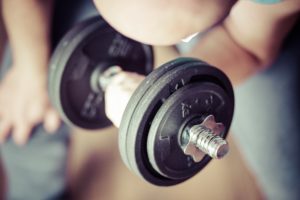 Another very familiar example of hormetic stress is exercise, in particular strength training. A challenging weights workout
  Certain foods also promote hormesis. You’ve almost certainly heard about foods rich in antioxidants. Well, antioxidants are actually hormetic stressors, which is why they are so good for you. Colorful fruits and vegetables, as well as bitter foods, tend to be high in antioxidants, so having a good amount of these types of foods in your diet can be very beneficial.
  Are you or your family mouth breathers? Teeth overcrowding and poor dental health are likely related to how we breathe, as well as what we eat. In this article, Stanford’s Paul Erlich discusses how poor breathing and the lack of chewing in our modern near-liquid diet has contributed to reduced jaw sizes in children. Undersized jaws have been linked to increased risk of heart disease, hyperactivity, sleep deprivation and other issues. Make sure your kids breathe through their noses and give them some food that needs chewing.
 Our bodies (especially our skin and gut) are perfect environments for a vast range of micro-organisms. In fact, human cells make up only 43% of the body’s total cell count. The rest are microscopic colonists. Because of bacteria phobia, we destroy these using anti-bacterial cleaning products and antibiotics, often without a second thought to the vast quantity of bacteria beneficial to us that are wiping out. Think of a wildflower meadow – if you covered it in pesticide, it would likely kill off most of the existing plants and that space, without some careful planting and care, would regrow with weeds. This is what happens to the microflora in our guts when we use these products, and this is intensified when we eat a diet of processed foods. Everything you eat is feeding your microflora as much as it feeds you, and we need healthy microbiome to be truly healthy.
 Are you always rushing around? Take a few moments to meditate, breathe or just be alone with your own thoughts. By not giving ourselves the minutes — or hours — free of devices and distractions, we risk losing our ability to know who we are and what’s important to us, says physicist and writer Alan Lightman.
 Most new patients at Backs Etc arrive with some form of musculoskeletal pain. They are often scared that the pain is resulting from some form of tissue damage and fear that they are ‘broken’ with a fragile body that is giving up. These attitudes and fears are not surprising as they are reinforced by the media and many medical professionals. Indeed, when you have recently had an accident, eg a car crash or heavy fall, then there will be tissue damage and inflammation (which is the body’s healing process). However, in most patients the onset of their pain was either completely unclear (came on gradually for no specific reason), or is related to an injury more than a couple of months old. In these cases the tissue damage has healed or is just not there.
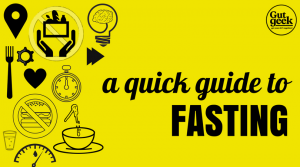 More and more studies are proving the myriad of health benefits that fasting can provide. And these days, with the growing popularity of intermittant fasting, the 5:2 diet and compressed eating windows, many people are reaping these rewards. If you’re at all interested in fasting (and you should be!) here is a great little one page intro guide from the folks at
 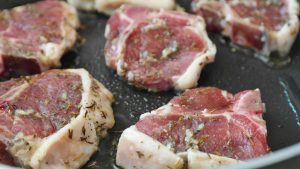 Nina Teicholz describes red meat as ‘the third rail of nutrition’ because of the abundance of bad news about it out there. However, in this fascinating presentation video, she analyzes many of the studies and reported facts about the dangers of red meat, and comes to some conclusions which may surprise you. Recommended viewing, regardless of your stance on red meat consumption.
 Liver. Be honest, for most you, your first reaction to that word would be something along the lines of