
Explosion in the Vegetable Aisle – In Praise of the Big Ass Salad
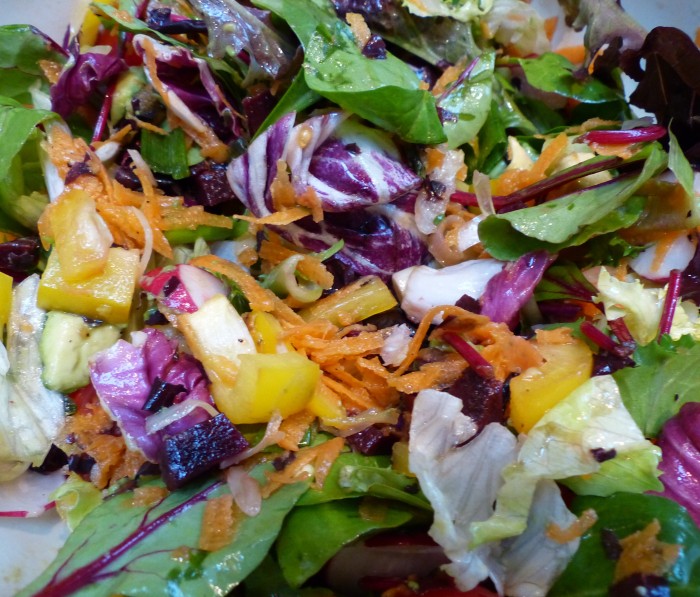
Real men don’t eat salad. But if they did, they’d eat BIG ASS salads. Side salads? Pfft. Let’s face it, when eating out, if you get a choice of sides, say fries or salad, are you really going to pick the salad? No siree, fries all the way. And for a starter, who orders a salad? Okay, I admit, I’m a bit of a sucker for anything with cheese in it, so a beetroot and goat cheese salad or mozzarella, basil and tomato, yeah I could do that. But a green salad? Highly unlikely.
Given these views, you might be surprised to learn that I’ve eaten pretty much the same thing every day for the past few years that I’ve lunched at home. And being that, as of this writing, I’ve been working from home for quite a long time, that is a lot of lunches! Could it be? Well, given the title of this piece, I think it’s pretty obvious where I’m going with this. Yes folks, my daily lunch is none other than a salad. But let’s be clear, these are big ass salads that I’m talking here. Perhaps even BIG ASS salads, but for the sake of not having to hit the caps lock key any more than I have to, let’s just leave that as ‘big ass’, shall we?
Part of the reason for this (some might say) extreme salad consumption is that I went low carb towards the end of 2015, so I needed an alternative to the typical sandwich ritual that so many of us share. Then I found out I was sensitive (intolerant? foodist, even?) to gluten, furthering my need for a sarnie substitute. Enter the big ass salad!
One of the biggest knocks on salads is that they’re not filling. Surely you’ll be hungry an hour after eating one, right? Well, maybe, but honestly, I’m pretty much hungry an hour after I eat most anything. There are a few exceptions to this rule, such as a massive steak and chips (especially in Argentina!), an entire New York pizza pie, and anything and everything at Thanksgiving. The important thing to note is that a big ass salad, with the proper ingredients, can be filling, satisfying, and – let us not forget – healthy.
For me, the keys to a successful big salad are the two Vs: volume and variety. This is a big ass salad after all – emphasis on the big – so naturally, it needs volume. I like my salads to go to 11, piled high on the plate and spilling over the edges. Remember, this thing’s gotta fill you up!
The old adage ‘variety is the spice of life’ has never been more apt. For me, a successful big salad needs to have at least 10 ingredients. Why 10? I suppose keeping with the Spinal Tap reference, I could say 11, but that’s just getting a bit silly, so I’m sticking with 10.
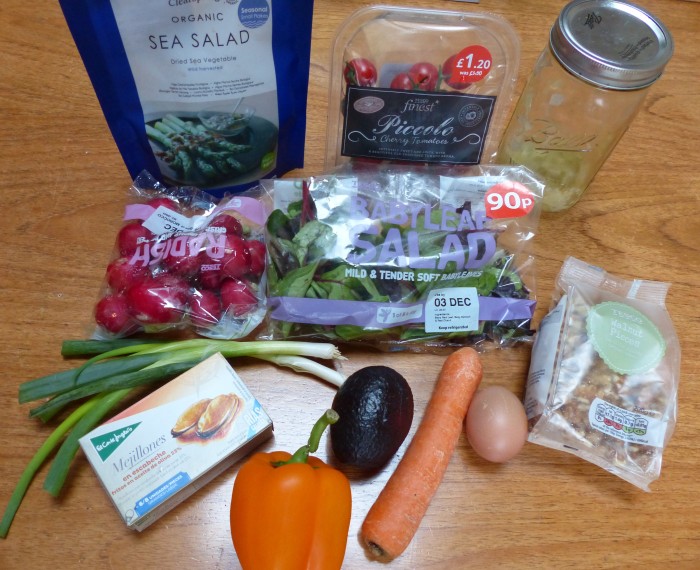
First, there are the staple veggies:
- leaves – Whatever you like. Lettuce, rocket/arugula, baby spinach, watercress, etc. Whatever you prefer. I often keep multiple types on hand, and use a mix.
- tomatoes – I prefer cherry, baby plum or grape, as they’re sweeter and tend to have more flavour than the big ones, particularly the supermarket variety.
- carrots – I usually grate one in as it’s easier to pick the pieces up with a fork unless you can slice them super thin.
- beetroot – I always have some of the packaged cooked ones around, as they’re really simple to use. Forget about cooking them from scratch unless you’ve got some time, as they take forever.
- cucumber – Sue hates these, so I only use them if the salad’s just for me.
- avocado – Gotta be ripe! Nothing worse than a rock hard avo. We always have a few in different stages of ripeness so there’s usually a ripe one on hand when it’s needed.
- spring onions – Get a little zing with some spring. Scallions to us Yanks.
- peppers – Red, yellow and orange are sweeter than green, so my preference.
- radishes – These are great to add a little peppery crunch. They seem to keep a nice long time in the fridge too.
Then there’s the protein. This is key for a big ass salad, otherwise, let’s be honest, it’s just rabbit food. Depending on your tastes, you can go loads of different ways with this. Some ideas are:
- tinned fish – I like tuna, but sardines, mackerel, etc. also work. Tinned salmon is usually the wild kind, so that’s a good option as well. In fact, any tinned seafood or fish can be used.
- smoked salmon – This always feels very civilised! The nice thing about the thinly sliced packages is that you can keep emergency supplies in the freezer, and thaw them out in a couple of minutes by sitting them in hot water.
- fresh meat or fish – Fry up a thin steak or nice piece of fish, slice it up, and you’re good to go.
- leftover meat – Yesterday’s roast chicken, beef or lamb, shredded or cubed, works a treat.
- bacon – Yeah baby! The meat product you hate to love, but you know you do! (sorry vegetarians, more for us) Get good quality bacon. I go for cuts without sugar whenever I can.
- hard-boiled eggs – A great option for vegetarians and carnivores alike. So much nutrition packed into these things. We always have a few boiled eggs at the ready in the fridge, but they’re quick to make if you haven’t planned in advance. Often I’ll add an egg in addition to another protein.
- cheese – Another vegetarian staple. I don’t know how you vegans live without it! Cube up some cheddar, crumble some feta, shave some parmesan, take your pick. I’ve never met a cheese I didn’t like. (Though I confess that I’ve never tried Casu Marzu – Sardinian maggot cheese – and don’t know if I would.)
The fun stuff, the extras that give your big salad extra flavour and/or texture
- nuts – The captains of crunch! I find walnuts tend to go particularly well, but use whatever you like.
- sun-dried tomatoes – Tomatoes taken to a whole new level. These are so ridiculously flavourful, just a few chopped up will go a long way.
- olives – Aaaah, concentrated salty goodness!
- beans – Chickpeas, lentils, red or black beans can add body and flavour (not to mention gas).
The good (for you), the bad and the ugly. These are optional ingredients that I tend to primarily add for their nutritional benefit. In actuality, though, they can taste pretty nice.
- seaweed – A bit of an acquired taste, but can add a good touch of seafoody saltiness. There are a number of different types you can choose from such as dulse, wakame and sea spaghetti. If it’s dried, make sure to soak it first to soften it up.
- sprouts – These also come in a variety of types: alfalfa, lentil, even quinoa and broccoli. I like to add a handful of these, as they’re really nutritious.
- sauerkraut – I know this sounds weird, but I actually make my own kraut at home, as the fresh stuff (not the kind you buy in the supermarket) is a natural probiotic, so good for your gut!
- Seeds – Some of these little guys, particularly pumpkin, flax, chia and hemp, are high in Omega 3s, as well as adding a bit of crunch.
Finally, the dressing. An absolute essential, a good dressing ties the whole salad together without overpowering it. My golden rule with dressing is NO BOTTLES! Store-bought dressing is nearly always filled with sugar, industrial seed oils, and other crap you neither want nor need. And it’s bloody easy to make your own! I tend to go for a simple oil and vinegar concoction, with a 2:1 ratio of oil to vinegar. I use extra virgin olive oil with sherry, balsamic or red wine vinegar, depending on my mood. Sometimes I’ll use lemon juice in place of the vinegar, which works particularly nice with fish and seafood salads. You can easily play around with dressings, adding other ingredients such as fresh herbs (especially basil!) mustard, soy sauce, a bit of mayonnaise or cream for creaminess, etc. Oh, and don’t forget the salt and pepper or even the coolest salad could wind up bland.
When preparing the salad, I like to chop or grate the ingredients up quite fine, adding them to a big bowl as I go. Then I pour in the dressing, toss it all up, and scoop it onto a plate. A big plate. And there you have it, the big ass salad: a tasty, filling and healthful meal that just happens to look like an explosion in the vegetable aisle. Enjoy!


 Coffee. Love it or hate it, you probably can’t escape it. (We love it, BTW) There have been many stories in the news over the past few years discussing its potential health benefits, and in this article, Chris Kresser details 5 big ones. For balance, he also includes a section on people that probably shouldn’t be drinking the stuff.
 This article from The Weston A. Price Foundation takes aim at one of our most popular cooking oils, canola. The food industry has been lauding the benefits of canola oil since its arrival on the scene in the mid-1980s, calling it ‘heart healthy’, ‘high in Omega 3s’ and ‘widely recognized as the healthiest salad and cooking oil available to consumers.’ However, there is a dark side to canola oil, as studies have shown it to actually be potentially dangerous to humans. This article details the history of the oil and documents the health risks associated with canola and other industrial seed oils.
 Veganism is becoming more and more popular these days. Understandably so, as people are becoming increasingly concerned about the impact of Intensively farmed meat and dairy’s toll on the environment. However, in this article, farmer Isabella Tree discusses the potential negative implications that veganism can have on the sustainability of our farmland, as well as our health. This article is a great read no matter which side of the debate you may stand on.
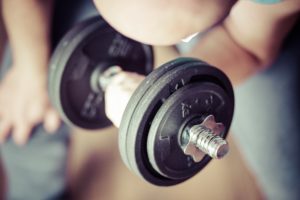 Another very familiar example of hormetic stress is exercise, in particular strength training. A challenging weights workout
  Certain foods also promote hormesis. You’ve almost certainly heard about foods rich in antioxidants. Well, antioxidants are actually hormetic stressors, which is why they are so good for you. Colorful fruits and vegetables, as well as bitter foods, tend to be high in antioxidants, so having a good amount of these types of foods in your diet can be very beneficial.
  Our bodies (especially our skin and gut) are perfect environments for a vast range of micro-organisms. In fact, human cells make up only 43% of the body’s total cell count. The rest are microscopic colonists. Because of bacteria phobia, we destroy these using anti-bacterial cleaning products and antibiotics, often without a second thought to the vast quantity of bacteria beneficial to us that are wiping out. Think of a wildflower meadow – if you covered it in pesticide, it would likely kill off most of the existing plants and that space, without some careful planting and care, would regrow with weeds. This is what happens to the microflora in our guts when we use these products, and this is intensified when we eat a diet of processed foods. Everything you eat is feeding your microflora as much as it feeds you, and we need healthy microbiome to be truly healthy.
 More and more studies are proving the myriad of health benefits that fasting can provide. And these days, with the growing popularity of intermittant fasting, the 5:2 diet and compressed eating windows, many people are reaping these rewards. If you’re at all interested in fasting (and you should be!) here is a great little one page intro guide from the folks at
 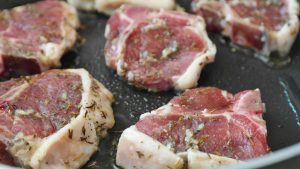 Nina Teicholz describes red meat as ‘the third rail of nutrition’ because of the abundance of bad news about it out there. However, in this fascinating presentation video, she analyzes many of the studies and reported facts about the dangers of red meat, and comes to some conclusions which may surprise you. Recommended viewing, regardless of your stance on red meat consumption.