
If you want to enjoy a long, healthy, energetic and productive life, it is pretty much agreed that you need to work on four basic areas: nutrition, exercise, stress and sleep. In this post, I’m going to focus on sleep as it is something that many people (and I include myself here) struggle with.
Why is Sleep so Important?
There is a very rare condition called Fatal Familial Insomnia (FFI) whereby sleep becomes impossible, it leads to panic attacks, hallucinations and eventually death, with no known cure. Thus this shows that sleep is essential to stay healthy. Recent research has found the existence of the glymphatic system which drains metabolic waste products from the brain via the cerebrospinal fluid (including those pesky amyloid plaques that build up during the progression of dementia). This system only works when we are in deep sleep, making regular good sleep essential for maintaining brain health, aside from other body maintenance and repair processes that occur mostly whilst we are asleep. It has also been shown that good sleep is essential for memory formation and that mood and willpower problems are exacerbated by a lack of sleep.
Why do we have so much trouble with sleep?
Until recently, our sleep cycles were driven by circadian rhythms with the rising and setting of the sun driving the release of hormones and brain wave patterns. Now the abundance of electric lights and digital stimulation after dark, as well as jet lag and shiftwork has disrupted this primal cycle. Most people find that when they go camping, with light being limited to torches and the campfire, they start to sleep much better, especially if they have a comfortable airbed
What can we do about this?
The key is to support your body’s production of melatonin, the sleep hormone which is triggered by darkness, and is suppressed by light – particularly bright white light at night – including these new energy efficient bright LED street lights that are replacing many of the old yellow ones. So here are a few tips which I try to implement most days to support melatonin production and sleep cycles:
Read More

 We at Backs Etc. love hiking! We find getting out in nature and getting from place to place under our own natural power immensely satisfying and cathartic. And now it seems that more and more doctors are actually writing ‘nature prescriptions’ or recommending ‘ecotherapy’ to reduce anxiety, improve stress levels, and to curb depression. Looks like it’s good for body, mind and soul, so what are you waiting for? Get out there and hit the trails!
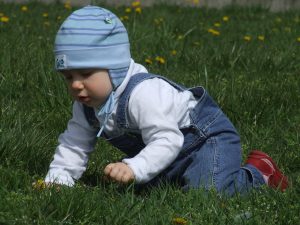 Here at Backs Etc we focus on building our clients’ true and dynamic core strength, initially by getting them to breathe abdominally. We then use primal movements such as rolling and crawling to enable them to integrate the breathing and improve their basic movement patterns, which will translate into improvements in more advanced movements such as running or weight lifting. Get in touch with us if you need some help finding your true dynamic core stability.
 People often ask us what kind of diet we recommend. “Are you guys paleo?” is one we also get a lot. We lean more towards the Primal diet (and lifestyle). In this article, Mark Sisson, the founder of The Primal Blueprint, gives a good explanation of the differences between “Primal” and “Paleo”.
 Okay, maybe this title is a little extreme. However, this article makes a strong case as to why we should be strength training rather than running or performing other long slow distance – or LSD – activities. The author breaks down a number of reasons why ‘chronic cardio’ is less effective at improving your health, and can actually be detrimental to it in some ways According to the article, Strength training, in contrast, is much more beneficial as the basis of a fitness program, with less of the negatives.
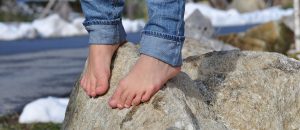 Spring is in the air and it’s time to get your feet out of their ‘coffins’. This article describes the importance of footwear that allows your feet to move naturally, especially for the next generation. However, it is so important to both transition gradually and do some foot exercises to strengthen the muscles rather than just take up wearing barefoot shoes 24-7. Vivobarefoot have even launched a shoe with an app to help with this. I haven’t tried it myself but I roll my feet every day and do some basic activation exercises.
 I recently attended the
